
Filming Sensitive Locations in South Korea: What Overseas Crews Should Prepare
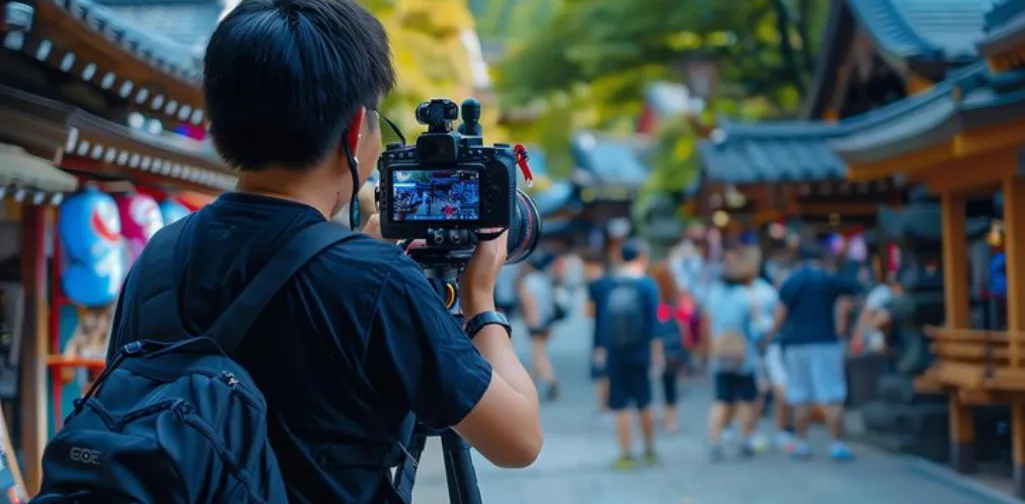
Some filming environments require far more preparation than an ordinary street shoot. Crews working around government buildings, transport facilities, cultural sites, private institutions, or controlled commercial spaces may need to understand filming permits South Korea requirements before equipment is even unpacked.
The challenge is not only gaining access. Productions also need to understand where cameras can operate, how equipment may be used, who must approve the shoot, and what restrictions could affect the final schedule.
Identify Restrictions Early
Sensitive locations should be flagged during the first stages of planning. Waiting until the crew arrives can lead to lost time, denied access, or expensive changes to transport and equipment arrangements.
A location check should confirm ownership, operating hours, security procedures, public access, equipment limitations, and any rules affecting photography or filming. These details can determine whether the original creative plan is realistic.
Understand Who Controls Access
International teams often hire a fixer in South Korea when access involves several local organisations or decision-makers. A local contact can help identify the correct authority, venue representative, property manager, or institution before formal requests are made.
This matters because permission may not come from the person who appears to manage the location day-to-day. Understanding the approval structure early reduces unnecessary communication and helps the crew approach the right people.
Provide Clear Production Details
Location owners usually need more than a simple request to film. They may ask about crew size, equipment, shooting purpose, planned hours, areas being used, and whether members of the public will appear.
Providing accurate information builds confidence and makes approval easier to assess. If the production plans to bring lighting, tripods, drones, vehicles, or larger equipment, those details should be disclosed rather than introduced unexpectedly on the day.
Respect Operational Priorities
Many sensitive locations continue normal operations while filming takes place. A transport facility, office, museum, factory, or commercial venue cannot always adjust its activities around a production crew.
The shooting plan should therefore minimise disruption. Smaller setups, carefully chosen filming windows, and efficient equipment movement can make access easier while preserving the relationship with the organisation hosting the shoot.
Prepare Alternative Angles
Even with permission, crews may not receive access to every requested area. Security, privacy, operational concerns, or last-minute changes can reduce the number of places where cameras are allowed.
Directors should identify alternative compositions and nearby locations before the shoot. A strong backup visual approach prevents the production from losing an important sequence simply because one position becomes unavailable.
Consider Privacy Carefully
Filming in busy or controlled environments can raise privacy concerns, particularly when employees, visitors, patients, students, or members of the public may appear in the frame.
The production should understand when consent, releases, restricted framing, or additional coordination may be appropriate. Careful planning can prevent useful footage from becoming difficult to use during editing.
Keep Equipment Practical
Large setups can complicate access. Multiple cases, extensive lighting, long cable runs, and bulky support equipment may create safety or security concerns in locations designed for normal public or workplace activity.
When possible, crews should design a compact technical package around the available space. Smaller setups can speed up entry, reduce disruption, and make it easier to move when filming time is limited.
Maintain Communication During the Shoot
Approval does not eliminate the need for communication once filming begins. Venue representatives may need updates if the schedule changes, the crew moves to a different area, or additional shots become necessary.
Keeping one clear point of contact reduces confusion. It also helps resolve minor issues before they become reasons to pause or stop production.
Document What Was Agreed
Production teams should keep clear records of permissions, restrictions, approved locations, agreed timings, and relevant contact details. Verbal arrangements alone can become difficult to verify when different staff members are involved.
Having the information accessible on the shooting day helps the crew respond quickly if questions arise. It can also prevent misunderstandings when the production returns to the same location later.
Conclusion
Sensitive or controlled locations can add credibility, scale, and visual interest to an international production, but they demand disciplined preparation. Access, permissions, privacy, equipment, and operational restrictions all need to be considered before the schedule is finalised.
Crews that treat these requirements as part of creative planning are usually better positioned to protect both the shoot and the relationship with the location. Good preparation creates more certainty, fewer delays, and a better chance of capturing the footage the production actually needs.